
Description
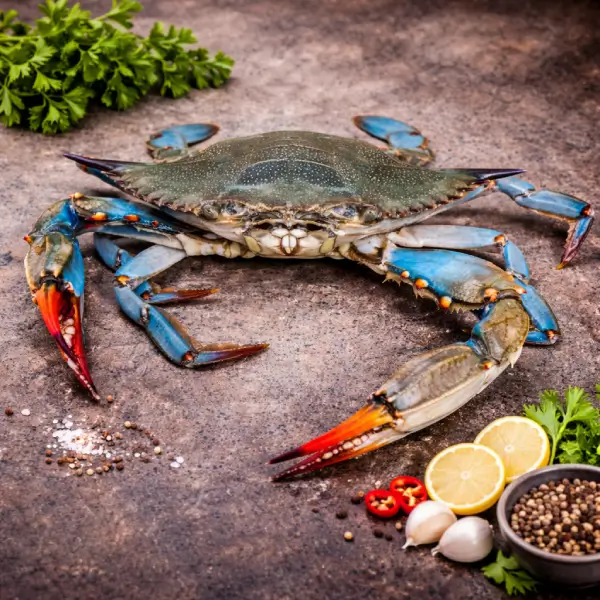
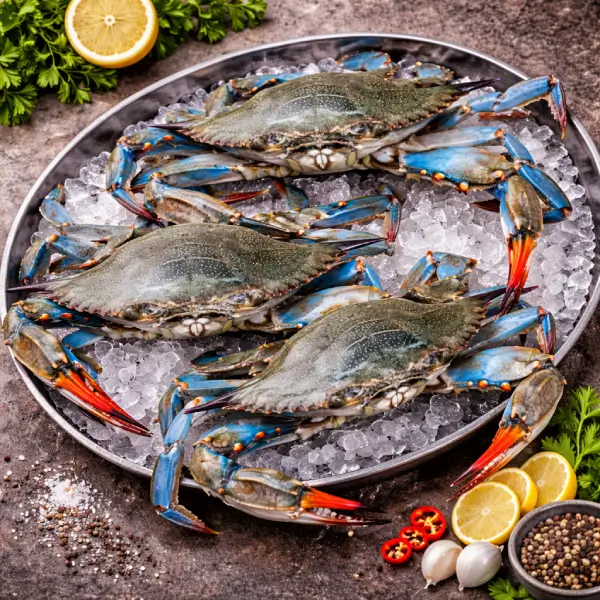
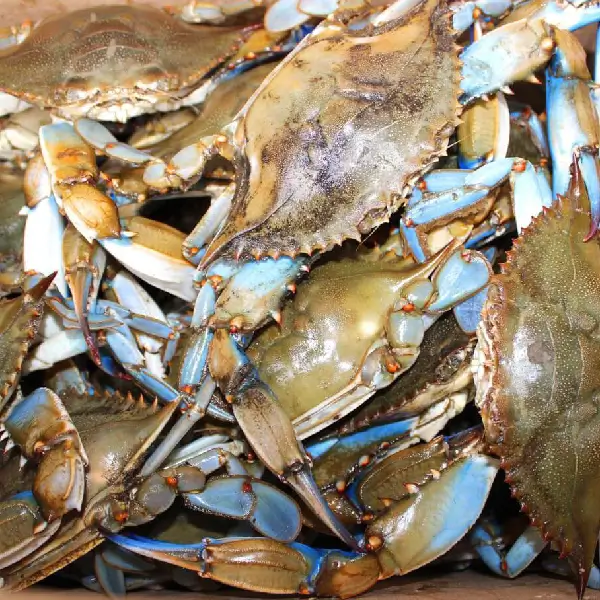
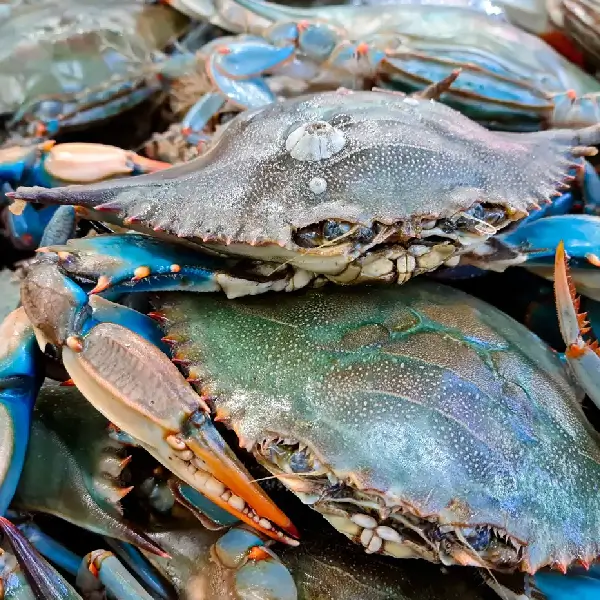
- Crabs are an important group of aquatic species that contribute significantly to the economy, nutrition, and livelihoods of many coastal and riverine communities. They are highly valued for their taste, protein content, and market demand, making them a vital component of both local and commercial fisheries. In addition to their economic importance, crabs play a key role in maintaining ecological balance in aquatic ecosystems, including estuaries, rivers, and coastal waters.
- Despite their significance, crab populations face growing threats due to overfishing, habitat degradation, pollution, and climate change. Unsustainable fishing practices and lack of awareness regarding conservation measures have further put pressure on crab resources, potentially affecting both biodiversity and the long-term livelihood of dependent communities.
- This survey is designed to collect comprehensive information on crab consumption patterns, fishing and trade practices, awareness of sustainability issues, and community perceptions. The data gathered will help identify current trends, challenges, and opportunities for promoting sustainable crab management. The findings are intended to guide policymakers, fisheries managers, and local stakeholders in developing strategies for conservation, sustainable harvesting, and improved economic benefits for communities dependent on crab fisheries.





Reviews
There are no reviews yet.